
Planning an African Naming Ceremony in the US: A Practical Guide
From the guest list to the jollof, here's how African families in the US plan naming ceremonies and outdoorings that honor tradition and fit American life.
By BorrowBuddy Team
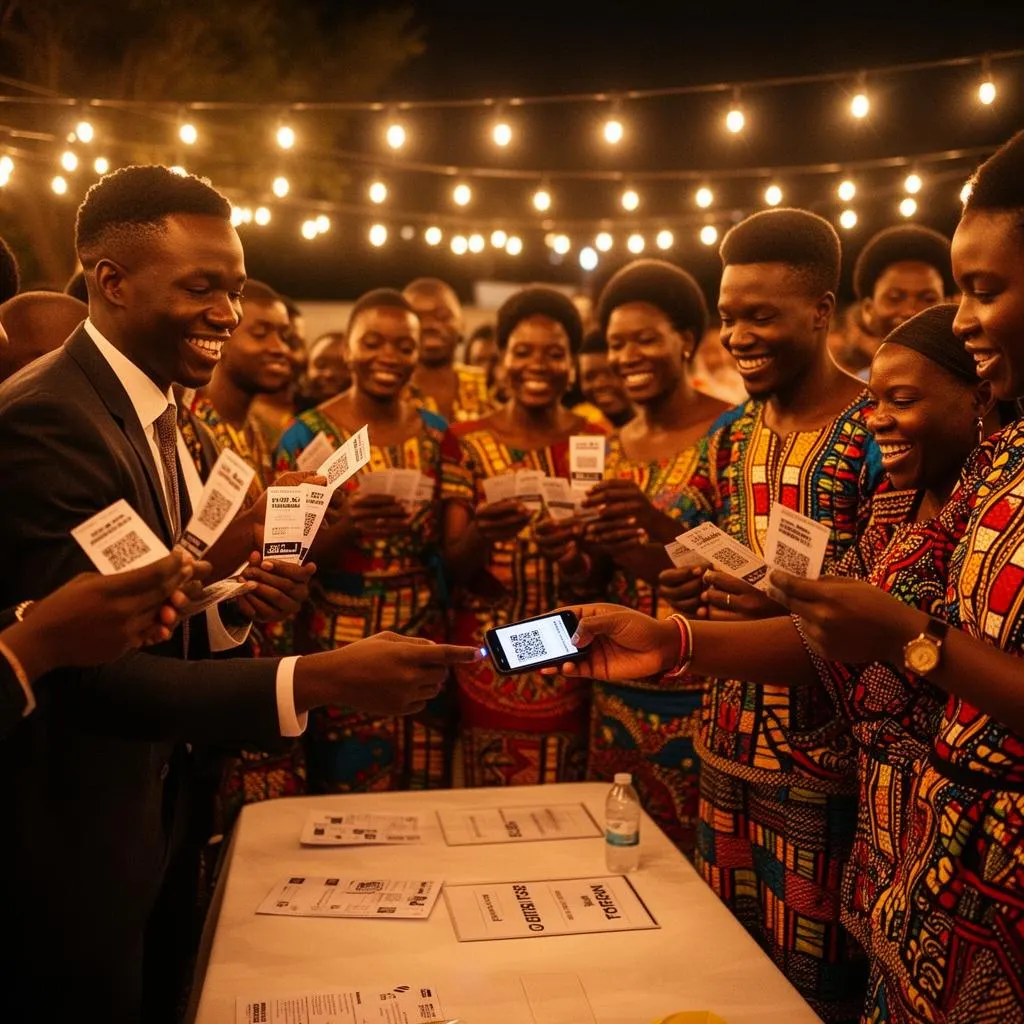
Welcoming a new baby with a naming ceremony is one of the most joyful traditions in many African cultures. In Yoruba families it's often called ìsọmọlórúkọ; in many Akan families in Ghana it's known as an outdooring. Igbo, Hausa, Ewe, Ethiopian, Somali and many other communities have their own customs.
Planning one in the United States brings extra questions: where to hold it, how to feed a crowd, how to involve relatives back home and how to fit it around work schedules. This guide covers the practical side of planning an African naming ceremony in the US.
Respect the tradition first
Every family and community does things a little differently, so start by talking with parents, grandparents and religious leaders about what matters most to you.
Some common elements include:
- Timing. Many traditions hold the ceremony around a week after birth — an Akan outdooring, for example, is traditionally around the eighth day. In the US, families often hold a small traditional ceremony on the customary day and a larger celebration on the following weekend.
- Symbolic items. Many Yoruba ceremonies use items such as water, honey, salt, palm oil, kola nut and bitter kola, each carrying a blessing. In many Akan outdoorings, a drop of water and a drop of drink are touched to the baby's lips to teach the difference between truth and falsehood.
- Prayers and blessings led by an elder, pastor or imam.
- Names chosen with meaning — sometimes from parents, grandparents and other relatives.
If you're unsure about a custom, ask an elder in your family or community. They'll appreciate being involved.
Decide on the size and format
US naming ceremonies range from an intimate gathering at home to a full hall party. Think about:
- Home or venue? A home ceremony suits the traditional part. A hall, church fellowship room or community center works better for a larger celebration.
- Guest count. Be realistic. African celebrations often grow as word spreads, so plan for more people than you invite.
- Relatives abroad. A video call or livestream lets grandparents and family back home take part in the blessings.
Plan the guest list and invitations
Clear invitations save a lot of stress. Include the date, time, venue, dress code (many families choose matching fabrics, or aso ebi) and whether children are welcome.
Using a community event app with QR tickets helps you collect RSVPs, give each guest a ticket and check people in quickly at the door — useful when your hall booking ends at a fixed time and you need an accurate headcount for food.
Food, drinks and service providers
Food is central. Many families hire a caterer who cooks dishes from home — jollof rice, fried rice, moi moi, puff-puff, suya, kelewele, waakye or injera, depending on your heritage. Plan for:
- A caterer experienced with large African events, or a team of relatives and friends cooking together
- Small chops and drinks for arrivals
- Cake for the celebration
- Takeaway containers — guests often expect a plate to go
Other helpers you may need: a decorator, a DJ or live band, an MC, a photographer and a videographer. BorrowBuddy's trusted services directory helps you find verified providers recommended by your community.
Borrow the equipment instead of renting
Naming ceremonies need a lot of equipment for one day: folding tables and chairs, chafing dishes, coolers, extension cords, speakers, canopies for outdoor gatherings and serving trays.
Rather than renting from a store or buying, you can borrow items from neighbors in your community. Families who've hosted recently often have exactly what you need. With condition photos at pickup and return, everyone knows what was agreed.
Create a simple timeline
Here's a sample timeline many US families use:
- Two to three weeks before: confirm the date with elders and religious leaders, book the venue and caterer.
- Two weeks before: send invitations and start collecting RSVPs.
- One week before: confirm equipment, decorations and helpers. Arrange the livestream for family abroad.
- Day before: collect borrowed items, set up the venue if possible.
- On the day: traditional ceremony and blessings, then food, music and celebration.
- After: return borrowed items, thank your helpers and share photos.
Look after the new parents
It's easy to forget that the parents are only a week or two into life with a newborn. Share the work: ask relatives and friends to handle setup, food service and cleanup. Many communities organize rotations of meals and help in the weeks after a birth — CTC™ time banking can help record and recognize that support.
The bottom line
A naming ceremony in America can honor every tradition that matters to your family while fitting into US life. Agree on the customs with your elders, plan a realistic guest list, use digital invitations and QR check-in, find trusted providers and borrow equipment from your community.
Join the BorrowBuddy waitlist to plan your next family celebration with verified members of your community. Planning a wedding or big party too? Read our guide to hosting an owambe or African wedding in the US on a budget.
Frequently asked questions
When is an African naming ceremony held?
Many traditions hold it around a week after birth; an Akan outdooring, for example, is traditionally around the eighth day. In the US, many families hold a small ceremony on the customary day and a larger celebration on a weekend.
What items are used in a Yoruba naming ceremony?
Many Yoruba ceremonies use symbolic items such as water, honey, salt, palm oil, kola nut and bitter kola, each representing a blessing for the child. Customs vary by family.
How can relatives in Africa take part in a US naming ceremony?
A video call or livestream lets grandparents and relatives back home join the prayers and blessings in real time.
How do I manage RSVPs for a naming ceremony?
Use digital invitations with RSVPs and QR tickets so you know your headcount for food and seating, and can check guests in quickly at the venue.
Keep reading

How to Host an Owambe or African Wedding Party in the US on a Budget
Big celebrations don't have to mean big debt. Here's how African families in the US host unforgettable owambes and weddings on a realistic budget.
Read more
QR Code Tickets and Check-In: A Simple Guide for Community Events
Long lines at the door can spoil a great event. Here's how QR code tickets and check-in work — and how to set up the door so guests get in fast.
Read more
How to Lend Items to Friends and Family Without Ruining the Relationship
Lending things to people you love is generous — and risky if nothing is written down. Here is a practical, step-by-step way to help without damaging the relationship.
Read more