
How to Find the African Community in a New US City
Moving to a new American city can feel lonely. Here's how to find your people — from churches and associations to food, events and community apps.
By BorrowBuddy Team
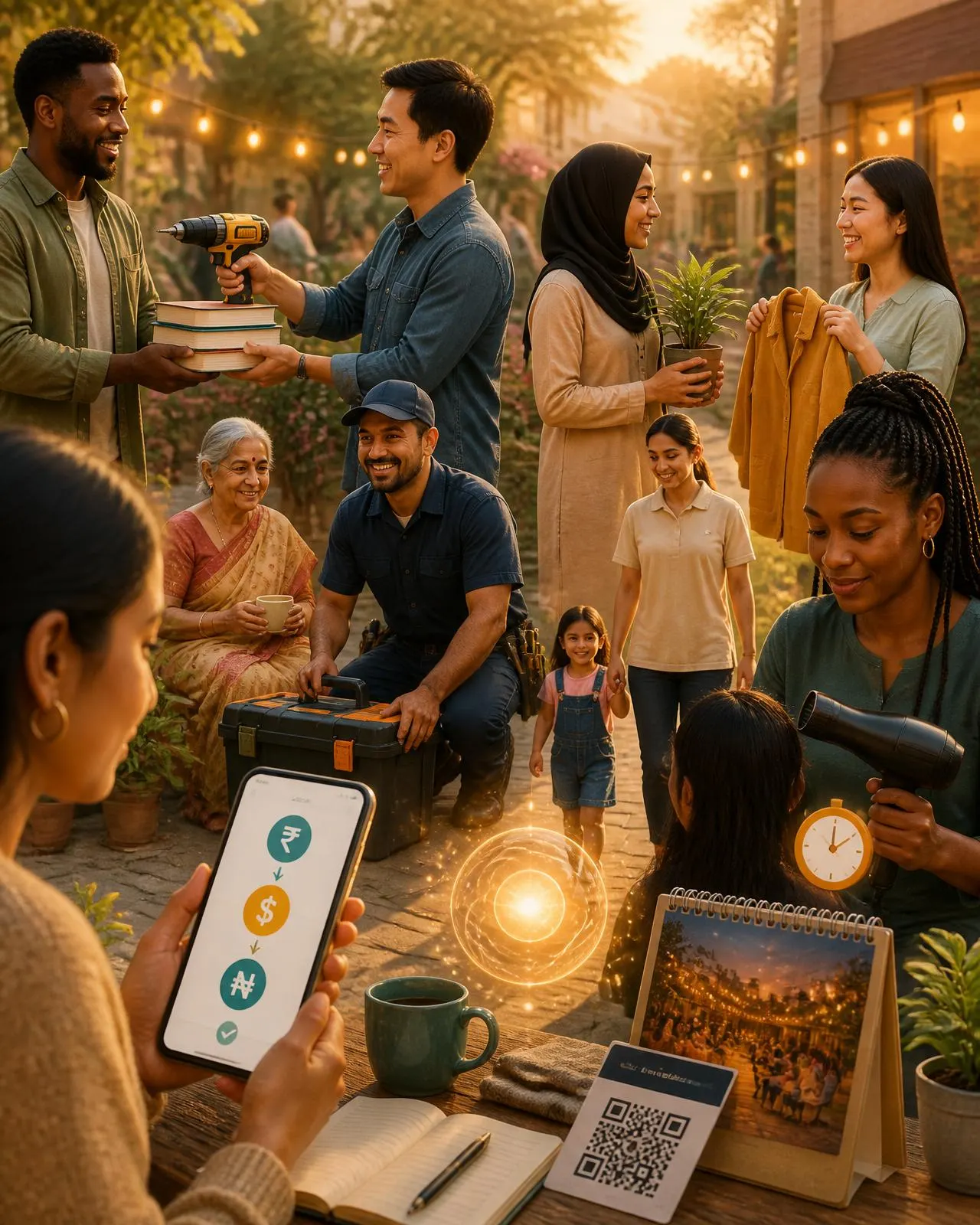
Whether you've moved for a new job, school or family, arriving in a new US city often means starting your social life from zero. For many Africans in America, community is more than friendship — it's where you find a trusted hairdresser, someone who cooks food from home, a reliable mechanic and people who'll show up for your celebrations.
The good news: most large US metro areas have active African communities. Here's how to find the African community in a new US city, and how to turn first meetings into real connections.
Start with faith communities
For many families, churches and mosques are the fastest route into the community. Many cities have congregations with large African memberships, and some hold services in languages such as Yoruba, Igbo, Twi, Amharic, French or Swahili.
- Visit a few before choosing one. Each has its own culture.
- Stay after the service. Fellowship time, meals and announcements are where newcomers get introduced.
- Join a group — a choir, youth ministry, women's or men's fellowship — to meet people regularly.
Look for hometown and national associations
Many US cities have associations for specific countries, regions or towns — Nigerian, Ghanaian, Liberian, Sierra Leonean, Ethiopian, Eritrean, Somali, Kenyan, Cameroonian, Congolese and more. Alumni groups for African schools and universities are also common.
Associations often run cultural events, welcome new members, help families through bereavement and organize support when someone is in need. Ask at church, at African stores or online to find the ones nearest you.
Follow the food
African restaurants, grocery stores and markets are natural meeting points. They're where you'll find:
- Notice boards with events, rooms for rent and services
- Owners who know everyone and can make introductions
- Other customers looking for the same ingredients you are
Becoming a regular at one or two places is a simple way to start conversations.
Go to cultural events
Independence Day celebrations, cultural festivals, film screenings, concerts and association galas bring large parts of the community together in one place. Look for event listings from associations, churches and community organizations, and say yes to invitations — even if you only know one person.
If you're organizing, a community event app with QR tickets makes it easier to share invites and check guests in.
Use your skills to connect
Some of the strongest connections come from helping. If you braid hair, cook, tutor, fix cars, build websites or know how to file paperwork, others in the community will value your help. Offering your services — paid or as a favor — puts you in touch with people quickly.
BorrowBuddy's trusted services directory lets you offer services to verified members nearby, while CTC™ time banking recognizes hours given to caregiving and community support.
Make the most of your city
Every metro area is different. A few examples from the cities we've written about:
- Houston: a spread-out metro where communities cluster in areas like Alief, Missouri City and Sugar Land.
- Atlanta: a busy calendar of cultural events and gatherings across Clarkston, Decatur and Stone Mountain.
- Washington DC area: a regional community spread across DC, Maryland and Virginia.
- New York City: long-established communities in the Bronx, Harlem and Brooklyn.
- Minneapolis–St. Paul: strong East and West African communities and a shared challenge — winter.
See all our US city guides for more.
Be patient with yourself
Building community takes time. It's normal to feel homesick or out of place in the first months. A few habits help:
- Say yes to invitations, especially early on.
- Follow up. Exchange numbers and send a message after meeting someone.
- Show up consistently to the same church, association or event.
- Ask for help. People often enjoy helping newcomers.
- Offer help back when you can.
How BorrowBuddy helps you connect
BorrowBuddy is an African community app in America built around trust. Members verify their identity, join circles for their neighborhood, church, family or hometown association, and build a trust score through real exchanges — borrowing and lending, swapping, booking services and attending events.
For newcomers, it's a shortcut to knowing who's trusted in the community. Join the waitlist to be among the first members in your city. If you've only just arrived, our first 90 days checklist for moving to the US from Africa covers the practical steps.
Frequently asked questions
How do I find Africans near me in the US?
Start with churches and mosques with African congregations, hometown and national associations, African restaurants and grocery stores, cultural events and community apps like BorrowBuddy.
Which US cities have large African communities?
Many metro areas have large and growing African communities, including Houston, Atlanta, the Washington DC area, New York City, Minneapolis–St. Paul, Dallas–Fort Worth, Columbus, Philadelphia, Boston and Seattle.
Is there an African community app in America?
Yes. BorrowBuddy is a community app built for African and diaspora communities in the US, with verified members, circles for churches and associations, and tools to borrow, swap, book services and attend events.
How long does it take to build community in a new city?
It varies, but consistency helps most: attend the same church or association regularly, follow up with people you meet and offer help when you can.
Keep reading
Moving to the US From Africa: A Practical Checklist for Your First 90 Days
Your first three months in America set the tone for everything that follows. Here's a practical, week-by-week checklist for newcomers from Africa.
Read more
Caring for Aging Parents in the African Diaspora: Back Home and in the US
Many Africans in America care for parents across an ocean, or welcome them into their US homes. Here's how diaspora families share the load.
Read more
Your First Winter in America: A Practical Guide for African Newcomers
Snow, ice and below-freezing temperatures can be a shock if you grew up in Lagos, Accra or Nairobi. Here's how to prepare for your first American winter.
Read more