
Your First Winter in America: A Practical Guide for African Newcomers
Snow, ice and below-freezing temperatures can be a shock if you grew up in Lagos, Accra or Nairobi. Here's how to prepare for your first American winter.
By BorrowBuddy Team
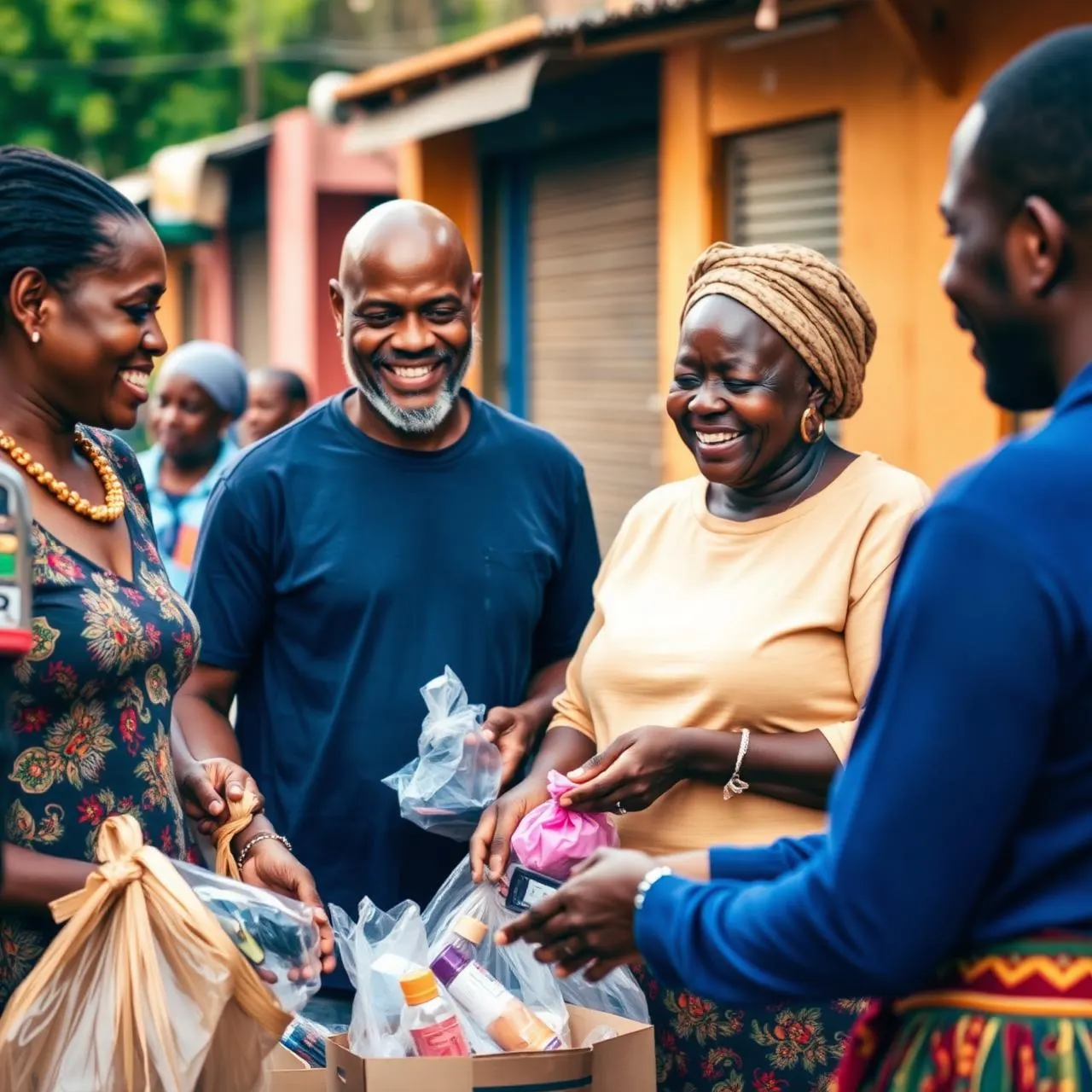
For many people moving from Africa to the United States, the first winter is the biggest surprise. In cities like Minneapolis–St. Paul, Boston, Columbus, Philadelphia and New York City, temperatures regularly drop below freezing, snow and ice can last for weeks, and days get dark early.
The good news: with the right clothes, a few safety habits and help from your community, winter is very manageable. This guide covers what you need to know for your first winter in America.
Dress in layers
The secret to staying warm isn't one huge coat — it's layers that trap heat:
- Base layer — thermal tops and leggings that sit close to your skin
- Middle layer — a fleece or sweater for insulation
- Outer layer — an insulated, windproof and ideally waterproof coat
Then protect the parts of your body that lose heat fastest:
- A warm hat that covers your ears
- Gloves or mittens — mittens are often warmer
- A scarf or neck warmer to cover your face in very cold wind
- Waterproof, insulated boots with good grip for ice
- Warm socks — wool or thermal, and a spare pair
Children need the same layers, plus snow pants for playing outside. Many schools expect children to go outside at recess even when it's cold.
Get winter gear without overspending
Winter clothing for a whole family is expensive, and children outgrow it every year. Before buying everything new:
- Ask your community. Many families have coats, boots and snow pants their children have outgrown.
- Swap. Trade last year's sizes for this year's. You can swap items with neighbors on BorrowBuddy, or read our guide on how to swap items with neighbors.
- Borrow the seasonal extras. Snow shovels, ice scrapers and car-battery chargers are needed for a few months a year — borrow them from neighbors instead of buying.
- Check thrift stores and community clothing drives, which often collect winter gear in the fall.
Keep your home warm — safely
Heating keeps you comfortable, but it also brings real safety risks:
- Never use a gas stove, oven, charcoal grill or generator to heat your home. These can produce carbon monoxide, a poisonous gas you can't see or smell.
- Make sure you have working carbon monoxide and smoke detectors, and test them regularly. If you rent, ask your landlord.
- Use space heaters carefully. Keep them away from curtains, bedding and furniture, plug them directly into the wall and turn them off when you leave or sleep.
- Know your heating system. Ask your landlord how the heating works and who to call if it stops.
- Keep pipes from freezing by keeping your home heated, even when you're away.
Walking and driving on snow and ice
- Walk carefully on ice. Take short steps, wear boots with good grip and watch for "black ice" that looks like a wet surface.
- If you drive, prepare your car. Many people in cold states switch to winter tires, keep an ice scraper and shovel in the car, and carry a blanket, water and a phone charger.
- Drive slowly and leave extra distance. Braking takes much longer on snow and ice.
- Clear snow from your whole car, including the roof and lights, before driving.
- Check local rules — some cities require residents to clear the sidewalk in front of their home.
Look after your health and mood
- Watch for frostbite and hypothermia. Numbness, pale or waxy skin and shivering that won't stop are warning signs — get indoors and seek medical help if needed.
- Stay active. Indoor exercise, community centers and malls help on very cold days.
- Get daylight when you can. Short days affect many people's mood and energy. Talk to a doctor if you feel persistently low.
- Stay connected. Winter can be isolating, especially for elders and newcomers.
Check on elders and neighbors
Icy sidewalks can leave older relatives stuck at home for long stretches. Arrange regular visits, phone calls and grocery runs. CTC™ time banking can help organize and recognize that support, and our guide to caring for aging parents in the diaspora has more ideas.
Lean on your community
Every African community in a cold-weather city has people who've been through their first winter and are happy to help. Ask where they buy affordable gear, which roads are dangerous, and how they keep their homes warm. Read our first 90 days checklist for moving to the US from Africa for the rest of your settling-in plan.
Join the BorrowBuddy waitlist to swap winter gear, borrow seasonal items and connect with your diaspora community before the snow arrives.
Related feature
SwapTrade items with neighbors, no cash neededLearn moreFrequently asked questions
What clothes do I need for my first winter in America?
Layers: a thermal base layer, a fleece or sweater, and an insulated windproof coat, plus a warm hat, gloves or mittens, a scarf and waterproof insulated boots with good grip.
How can newcomers get winter clothes cheaply?
Ask your community for outgrown coats and boots, swap sizes with other families, check thrift stores and clothing drives, and borrow seasonal items like snow shovels instead of buying.
Is it safe to use the oven to heat my home?
No. Never use a gas stove, oven, grill or generator to heat your home — they can produce carbon monoxide. Use your heating system and keep carbon monoxide detectors working.
How do I walk safely on ice?
Wear boots with good grip, take short careful steps and watch for black ice, which can look like a wet patch on the ground.
Keep reading
Moving to the US From Africa: A Practical Checklist for Your First 90 Days
Your first three months in America set the tone for everything that follows. Here's a practical, week-by-week checklist for newcomers from Africa.
Read more
How to Find the African Community in a New US City
Moving to a new American city can feel lonely. Here's how to find your people — from churches and associations to food, events and community apps.
Read more
Caring for Aging Parents in the African Diaspora: Back Home and in the US
Many Africans in America care for parents across an ocean, or welcome them into their US homes. Here's how diaspora families share the load.
Read more