
How to Hire a Trusted Handyman or Plumber Without Getting Scammed
A leaking pipe or broken heater is stressful enough without worrying about who you're letting into your home. Here's how to hire help you can trust.
By BorrowBuddy Team
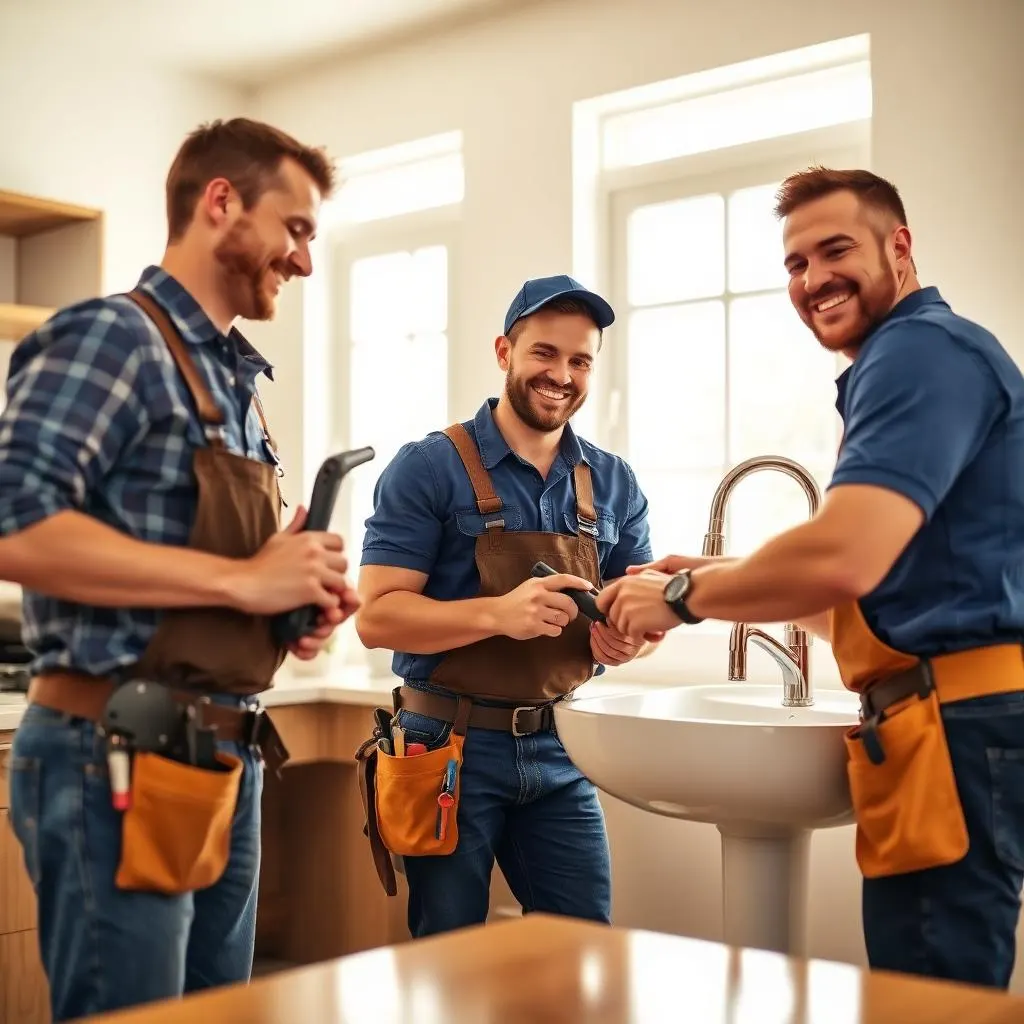
Sooner or later every household needs help: a dripping tap, a blocked drain, a broken light fitting or a door that won't close. For families new to the US — or new to a city — knowing who to call can be hard, and letting a stranger into your home is a real concern.
This guide explains how to hire a trusted handyman or plumber, what to check before work starts and how to avoid the scams that often target busy families.
Handyman, plumber or electrician?
Knowing who to call saves time and money:
- Handyman — small repairs and odd jobs: hanging shelves, fixing doors, patching drywall, assembling furniture, minor fixes.
- Plumber — leaks, blocked drains, water heaters, toilets and anything involving water or gas lines.
- Electrician — new outlets, wiring, breaker problems and anything beyond changing a bulb.
Many states and cities require licenses for plumbing, electrical and larger construction work. A handyman may not be allowed to do those jobs, so check before you hire.
Start with recommendations
The safest providers usually come through people you know:
- Ask neighbors, friends, church members and colleagues who they've used and whether they'd use them again.
- If you rent, ask your landlord or property manager first. Many repairs are their responsibility, and your lease may say who you should call.
- Use a verified community directory. BorrowBuddy's trusted services directory lists handymen, plumbers, electricians, cleaners and movers with ID-verified profiles and reviews from your own community.
Check before you hire
Before anyone starts work, take a few minutes to check:
- License. For plumbing and electrical work, ask for a license number and look it up on your state's licensing board website.
- Insurance. Ask whether they carry liability insurance in case something goes wrong in your home.
- Reviews and references. Look for recent, specific reviews — or ask for a couple of past customers you can contact.
- Identity. Make sure the person who arrives is the person you booked.
Get clear, written quotes
For anything more than a quick fix, get a written quote that includes:
- A description of the work
- The price for labor and materials, or the hourly rate and estimated hours
- Any call-out or trip fee
- When the work will start and how long it should take
- What happens if they find additional problems
Getting two or three quotes for larger jobs helps you understand what a fair price looks like in your area.
Common home repair scams to avoid
Scammers often target newcomers, older people and anyone in a hurry. Be cautious of anyone who:
- Knocks on your door uninvited offering cheap repairs, especially after storms
- Demands full payment up front, especially in cash, by wire transfer or with gift cards
- Pressures you to decide immediately with "today only" prices
- Won't give a written quote or a business name
- Finds expensive "urgent" problems you didn't ask about and can't see
A reasonable deposit for materials on a larger job can be normal. Paying everything before work begins is not.
Pay safely
- Pay after the work is done, or in stages tied to clear milestones for bigger projects.
- Avoid cash where possible so you have a record.
- Use payment protection. Paying through an app that holds the money until you confirm the job is complete protects both you and the provider. See how protected payments work, or read our explainer on peer-to-peer payment protection.
- Keep receipts and photos of the work.
Don't need a pro? Borrow the tools
Some jobs are simple enough to do yourself with the right tool — a drain snake, a stud finder, a drill or a ladder. Instead of buying tools you'll use once, you can borrow items from neighbors in your community.
How BorrowBuddy helps
BorrowBuddy is a trusted local services app for families. Providers verify their identity, community reviews show their track record, and payments are handled in-app rather than in cash. It's designed for diaspora families in cities across the United States, especially those still building their local network.
Join the waitlist to find trusted handymen, plumbers and electricians near you when BorrowBuddy launches.
Frequently asked questions
How do I find a trustworthy handyman near me?
Ask neighbors, friends and community members for recommendations, check recent reviews, confirm identity and insurance, and use a verified directory such as BorrowBuddy's services directory.
Does a plumber or electrician need a license?
Many states and cities require licenses for plumbing and electrical work. Ask for the license number and check it on your state's licensing board website.
Should I pay a handyman up front?
A reasonable deposit for materials on a large job can be normal, but avoid paying the full amount before work begins, and avoid cash, wire transfers and gift cards.
What are signs of a home repair scam?
Uninvited door-to-door offers, pressure to decide immediately, demands for full payment up front, refusal to give a written quote and surprise urgent problems you can't see.
Keep reading

How to Find a Trusted African Hair Braider Near You (and Book Safely)
A great braider is worth their weight in gold. Here's how to find one you can trust in a new US city — and what to agree before your appointment.
Read more
How to Lend Items to Friends and Family Without Ruining the Relationship
Lending things to people you love is generous — and risky if nothing is written down. Here is a practical, step-by-step way to help without damaging the relationship.
Read more
Borrow Instead of Buy: How to Borrow and Rent Items From Your Neighbors
Most of the things we buy sit unused for months. Here is how to borrow what you need from people nearby — and earn from what you already own.
Read more