
How to Find a Trusted African Hair Braider Near You (and Book Safely)
A great braider is worth their weight in gold. Here's how to find one you can trust in a new US city — and what to agree before your appointment.
By BorrowBuddy Team
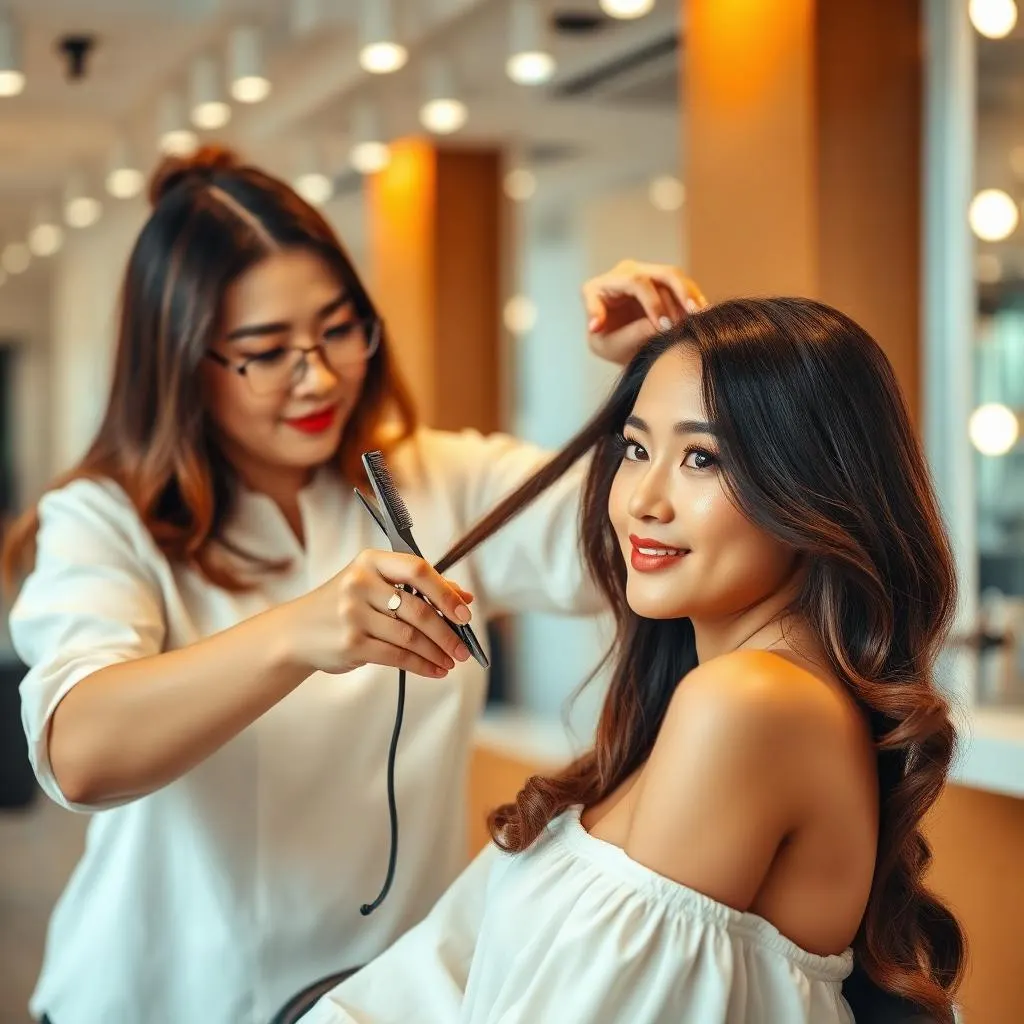
For many African and Caribbean families, finding a good braider is one of the first things to sort out after moving to a new city. A trusted braider knows how to protect your edges, works at a pace you can sit through, and gets the parting right every time. A bad one can mean hours of discomfort and damaged hair.
This guide covers how to find a trusted African hair braider near you in the US, what to ask before you book, and how to avoid the most common problems.
Know what style you want
Braiders often specialize. Before you start looking, be clear about what you need:
- Box braids and knotless braids — popular protective styles in many lengths and sizes
- Cornrows and feed-in braids — from simple straight-backs to detailed designs
- Twists — Senegalese, passion and two-strand twists
- Locs — starter locs, retwists and faux locs
- Kids' styles — some braiders are especially good with children and shorter appointments
Save a few reference photos. They make it much easier to compare braiders and agree on exactly what you're getting.
Where to find braiders you can trust
The best braiders are often found through people, not ads.
- Ask your community. Friends, relatives, church members and colleagues with styles you admire are the best source of recommendations.
- Check African and Caribbean businesses. Beauty supply stores, salons and restaurants often know who's good — and who to avoid.
- Look at real work, not just photos. Social media portfolios help, but ask whether the photos are the braider's own work.
- Use a verified community directory. On BorrowBuddy's trusted services directory, braiders and stylists are ID-verified and reviewed by members of your own community.
If you've just moved, our guide on finding the African community in a new US city has more ideas for building your network.
Questions to ask before you book
A short conversation before the appointment prevents most disappointments:
- What's the total price, and does it include hair extensions or do you bring your own?
- How long will it take? Some styles take many hours — plan meals, breaks and childcare.
- Is there a deposit, and what happens if you need to reschedule?
- Where is the appointment — a salon, the braider's home or yours?
- How should you prepare your hair — washed, detangled, stretched or blow-dried?
- What size and length are included in the quoted price?
Get the agreed price and details in writing, even if it's just a message. It avoids surprises at the end of a long session.
Protect your hair and scalp
A good braider will never make your style painfully tight. Watch for:
- Pain, bumps or pulling at the hairline — speak up early rather than suffering through it
- Very heavy extensions that strain your edges
- Styles left in too long — follow your braider's advice on when to take them out
Your hair should feel secure, not sore. If a braider dismisses your concerns, that's a sign to find someone else.
Licenses and rules
Rules for hair braiders differ from state to state. Some states require a cosmetology or braiding license, while others exempt natural hair braiding. If it matters to you, check with your state's cosmetology board or simply ask the braider.
Pay safely and leave honest reviews
- Agree the full price before you start.
- Avoid paying large amounts up front to someone you haven't met. Paying through an app that holds the money until the job is done protects you both — see how protected payments work.
- Leave an honest review. Good braiders build their business on word of mouth, and your review helps the next person.
Finding braiders for special occasions
Weddings, naming ceremonies and graduations often mean several people need styling on the same day. Book early, confirm timings, and ask whether the braider can bring a helper. Planning a big celebration? Our guides to hosting an owambe or African wedding in the US and planning a naming ceremony cover the rest of the day.
How BorrowBuddy helps
BorrowBuddy is a trusted local services app for families. Its services directory brings together braiders, stylists, makeup artists, tailors and more — all with verified profiles, community reviews and payments handled in-app. It's built for African and diaspora communities in cities like Houston, Atlanta and the Washington DC area.
Join the waitlist to find trusted braiders — or list your own braiding services — when BorrowBuddy launches.
Frequently asked questions
How do I find a good African hair braider near me?
Ask friends and community members whose styles you like, check African beauty supply stores and salons, look at the braider's real work, and use a verified directory such as BorrowBuddy's services directory.
What should I ask a braider before booking?
Ask the total price, whether hair extensions are included, how long the style takes, whether there's a deposit, where the appointment is and how to prepare your hair.
Do hair braiders need a license in the US?
It depends on the state. Some states require a cosmetology or braiding license and others exempt natural hair braiding. Check with your state's cosmetology board.
Is it normal for braids to hurt?
Braids should feel secure, not painful. Pain, bumps or pulling at the hairline are signs the style is too tight — tell your braider straight away.
Keep reading

How to Hire a Trusted Handyman or Plumber Without Getting Scammed
A leaking pipe or broken heater is stressful enough without worrying about who you're letting into your home. Here's how to hire help you can trust.
Read more
How to Lend Items to Friends and Family Without Ruining the Relationship
Lending things to people you love is generous — and risky if nothing is written down. Here is a practical, step-by-step way to help without damaging the relationship.
Read more
Borrow Instead of Buy: How to Borrow and Rent Items From Your Neighbors
Most of the things we buy sit unused for months. Here is how to borrow what you need from people nearby — and earn from what you already own.
Read more